
107年 國際經濟商務特考三等 國際經濟商務人員國際經貿法律組|歷屆考題全文(機器抽取)
107年公務人員特種考試外交領事人員及外交行政人員考試、107年公務人員特種考試國際經濟商務人員考試、107年公務人員特種考試民航人員考試、107年公務人員特種考試原住民族考試國際經濟商務人員國際經貿法律組類科歷屆試題,含國文(作文、公文與測驗)、英文(含國際貿易政策與法規命令之摘譯與論述)、國際法(含國際公法、條約締結法、維也納條約法公約)等 6 科。
共 6 份考卷|資料來源:依政府資料開放授權條款(OGDL)第 1 版利用,資料集:考選部歷屆試題(data.gov.tw dataset 170565),107 年。
本頁文字由 PDF 機器抽取,可能有辨識誤差,僅供搜尋參考,請以官方原始檔案為準。
免費登記製作需求|🚀 前往「107年 國際經濟商務特考三等 國際經濟商務人員國際經貿法律組」下載頁|所有公開題庫
國文(作文、公文與測驗)
座號:
107 年公務人員特種考試外交領事人員及外交行政人員、 國際經濟商務人員、民航人員及原住民族考試試題
考 試 別:外交人員考試、國際經濟商務人員考試、民航人員考試
等
別:三等考試
類 科 組:各類科組
科
目:國文(作文、公文與測驗)
考試時間:
2 小時
※注意:禁止使用電子計算器。
代號:
10110-10810
30110-30610
40110-40310
頁次: 3 - 1
甲、 申 論 部 分 : (
60
分)
甲、作文與公文部分:
請以黑色鋼筆或原子筆在申論試卷上由左至右橫式作答,於本試題上作答者,不予計分。 不得於試卷上書寫姓名或入場證號。
一、作文:( 60
分)
在現今社會裡,網路資訊爆炸,各種五花八門知識、真假虛實訊 息隨手易得,各類專家、大師林立,而在社群媒體上人們也往往一知 半解,任意評論發言。蘇軾在勉人為學時曾云:「博觀而約取,厚積 而薄發」,面對當今急功好利的社會,現代人無論在專業為學、社會 上的終身學習,或從事任何著述、發表,都非常需要遵循蘇軾此種精 神。
請以「博觀而約取,厚積而薄發」為題作文一篇,針對現今 社會現象加以論述,文中必須兼論「博觀約取」及「厚積薄發」二者 的精神與意義。
二、公文:( 20 分)
為解決國家面臨的重大問題,行政院院會業已於 106 年 12 月 7 日通過國家發展委員會擬具的「 107 年國家發展計畫--建設臺灣, 看見執行力」(以下簡稱本計畫),揭示 107 年總體經濟目標及政府 各項建設重點,並首次納入跨機關與機關別績效指標及目標,重點聚 焦於重大施政,期更能發揮上位引領功能,讓施政更有效,人民更有 感。本計畫務實擘劃未來一年國家發展之政策方向,展現政府積極達 成各項改革及建設的重心與決心,並將全力落實推動,期能在既有的 成果與基礎上,加速建設臺灣,讓人民看見政府的執行力,帶動國家 整體發展,打造更好的臺灣。
試擬行政院致所屬各機關函,請於 107 年 10 月 31 日前,陳報第 三季( 7-9 月)計畫相關業務執行成果,以利控管、考核與檢討。
乙、測驗部分:(
20
分)
代號:
代號:
頁次:
3 - 2
1101
本測驗試題為單一選擇題,請選出一個正確或最適當的答案,複選作答者,該題不予計分。 共 10 題,每題 2 分,須用 2B 鉛筆在試卡上依題號清楚劃記,於本試題或申論試卷上作答者,不予計分。
-
1 魏源《默觚‧治篇五》:「執古以繩今,是為誣今;執今以律古,是為誣古。」下 列選項何者最為接近上文旨意?
-
宜於古而不戾於今
-
世異則事異,事異則備變
-
往者不可諫,來者猶可追
-
疑今者察之古,不知來者視之往
-
2 「越人三世殺其君,王子搜患之,逃乎丹穴。越國無君,求王子搜而不得,從之丹 穴。王子搜不肯出,越人薰之以艾,乘之以王輿,王子搜援綏登車,仰天而呼曰: 「君呼!獨不可以舍我乎!」王子搜非惡為君也,惡為君之患也。若王子搜者,可 謂不以國傷其生矣,此固越人之所欲得而為君也。」
下列對於王子搜的敘述,何者符合上文之意?
-
是唯一合法繼承人
-
其王位是君權天授
-
為求保命寧棄王位
-
想要煉丹得道成仙
-
3 黃宗羲〈原君〉批評「小儒規規焉,以君臣之義無所逃於天地之間」,並推崇孟子: 「孟子之言,聖人之言也。」據此推論,下列何者最適合做為黃宗羲所謂「孟子之 言」的例子?
-
未有仁而遺其親者也,未有義而後其君者也
-
如有不嗜殺人者,則天下之民皆引領而望之矣
-
賊仁者謂之賊,賊義者謂之殘,殘賊之人,謂之一夫。聞誅一夫紂矣,未聞弒君也 穀與魚鱉不可勝食,材木不可勝用,是使民養生喪死無憾也。養生喪死無憾,王道
-
之始也
-
4 蘇軾所書的〈赤壁賦〉,文末跋語云:「軾去歲作此賦,未嘗輕出以示人,見者蓋 一二人而已。欽之有使至,求近文,遂親書以寄。多難畏事,欽之愛我,必深藏之 不出也。又有〈後赤壁賦〉,筆倦未能寫,當俟後信。軾白。」下列選項最符合文 意的是:
-
蘇軾撰寫〈赤壁賦〉的過程異常痛苦 欽之親自登門求墨寶,蘇軾遂書此賦 此本蘇軾真跡是東坡為欽之特別書寫的 蘇軾以〈赤壁賦〉為傲,故不輕易示人
-
5 滿奮畏風,在晉武帝坐;北窗作琉璃屏風,實密似疎,奮有難色。帝笑之。奮答曰:
「臣猶吳牛,見月而喘。」 (《世說新語‧言語》)
依據上文,滿奮對晉武帝的回答,下列選項何者最適當?
-
微言善諷
-
巧譬解頤
-
大放厥詞
-
夸夸其談
-
6 (侯)景入朝,以甲士五百人自衞,帶劍升殿。拜訖,(梁武)帝神色不變,使引 向三公榻坐,謂曰:「卿在戎日久,無乃為勞。」景默然。又問:「卿何州人?而 來至此。」又不對。其從者任約代對……景出,謂其廂公王僧貴曰:「吾常據鞍對 敵,矢刃交下,而意了無怖。今見蕭公,使人自慴,豈非天威難犯。吾不可以再見 之。」(《南史‧侯景列傳》)
侯景之所以不回應梁武帝的問話,原因是:
-
面對昏君不願回話
-
矢刃威脅無言以對
-
震懾皇威不敢回應
-
此強彼弱無須多言
代號:
10110-10810
30110-30610
40110-40310
頁次:
3 - 3
- 7 「兄長尊意,莫非教呼延灼往東京告請招安,到山赦罪?」宋江道:「將軍如何去 得!高太尉那廝是心地褊窄之徒,忘人大恩,記人小過。將軍折了許多軍馬錢糧, 他如何不見你罪責?如今韓滔、彭玘、凌振,已多在敝山入夥。倘蒙將軍不棄山寨 微賤,宋江情願讓位與將軍;等朝廷見用,受了招安,那時盡忠報國,未為晚矣。」 (《水滸傳》)
依據上文,符合文意的選項是:
-
宋江想勸誘呼延灼入山寨
-
呼延灼自願向高太尉請罪
-
宋江怕高太尉延攬呼延灼
-
呼延灼暗地迫使宋江讓位
-
8 下列關於「生活」的名言佳句,何者敘述重點與其他三者不同?
-
貝多芬: 「生活的全部意義,就在於為崇高的事業獻身,就在於至高無上的藝術!」 卡弗:「在我看來,該提的問題不是『什麼時候我會死』,而是『在我活著的時 候,我還能做些什麼。』」
-
奧斯特羅夫斯基:「只為家庭活著,這是禽獸的私心;只為一個人活著,這是卑 鄙;只為自己活著,這是恥辱。」
-
托馬斯.曼:「人不僅僅是做為個人,要過他自己的生活,而且不管自覺與否, 也都要過著他那個時代和同代人的生活。」
-
9 「認識別人容易,認識自己難,我們得修正自己的偏見,才能看到完整的世界。臺 灣汲汲營營要走出去,沒有錯,但其實先看看自己的身邊。仔細想想,現在幾乎每 個臺灣人,都有機會接觸到東南亞朋友,他們勇敢飄洋過海到臺灣,我們有沒有相 同的勇氣。跟他們說說話,認識之後會發現我們都一樣。如果能認識得更清楚,偏 見與歧視就能相對減少,把自己向上提升一階高度。」
文中所述對於「偏見」的成因,下列選項何者最為接近?
-
身行不遇中國人
-
翫所習見,奇所希聞
-
流徙異邦、取給殊方
-
物不自異,待我而後異
-
10 「島嶼許多記憶的快速消失,使人愕然。記憶突然消失的驚愕,或許常常是煩躁焦 慮的開始吧。上一代的記憶,無法傳遞到下一代,下一代也無法相信自己建構的世 界可以天長地久。我們毀壞了過去,我們建構的一切,不會被下一代毀壞嗎?怪手 開挖,很輕易摧毀積累半世紀、一世紀歲月的建築,歲月與記憶一起被摧毀。人對 物無情,常常也就是對人無情的開始嗎?因為沒有任何事會長久,也就難以有堅定 的信仰。」
下列選項,何者最接近本文意旨?
-
消失遺忘的記憶等待被信仰喚起
-
長久的記憶才能產生堅定的信仰
-
記憶在我們提取它時被重新建構
-
儘管記憶鮮明,但時光畢竟無情
英文(含國際貿易政策與法規命令之摘譯與論述)
107 年公務人員特種考試外交領事人員及外交行政人員、 國際經濟商務人員、民航人員及原住民族考試試題
考 試 別:
國際經濟商務人員考試
等 別:
三等考試
類 科 組:
國際經濟商務人員國際經貿法律組
科 目:
英文(含國際貿易政策與法規命令之摘譯與論述)
考試時間:
2 小時
座號:
※注意: 禁止使用電子計算器。
甲、申論題部分: ( 40
分)
不必抄題,作答時請將試題題號及答案依照順序寫在申論試卷上,於本試題上作答者,不予計分。 請以黑色鋼筆或原子筆在申論試卷上作答。
一、英翻中:( 10 分)
Trading globally gives consumers the opportunity to be exposed to goods and services not available in their own countries. Almost every kind of product can be found on the international market: food, clothes, oil, jewelry, wine, currencies, and water. Services are also traded. For example, tourism, banking, consulting, and transportation are traded actively on the international market.
二、中翻英:(
10
分)
美國很多公司無法與廉價中國商品競爭,因此必須降低成本或停業。許多企業 通過將工作外包給中國或印度來降低成本。外包增加了美國的失業率。從就業 人數來看,美國製造業在 1998 年至 2010 年期間下降了 34 %。隨著這些產業的 衰退,美國在全球市場上的競爭力也在下降。
三、申論題:( 20 分)
Please write an essay of no more than 250 words to explain the mission of World Trade Organization (WTO) and why it is important for Taiwan to be a member of it.
乙、測驗題部分: ( 60
分) 代號:
4306
-
本測驗試題為單一選擇題,請選出一個正確或最適當的答案,複選作答者,該題不予計分。
-
共 40 題,每題 1.5 分,須用 2B 鉛筆在試卡上依題號清楚劃記,於本試題或申論試卷上作答者,不予計分。
請依下文回答第 1 題至第 5 題:
When a big earthquake strikes, it does not do equal harm everywhere. Places resting on 1 sediment will shift around a lot and are thus likely to be damaged badly. 2 resting on bedrock are normally better off though not if they are stuck at the end of a rocky promontory that 3 a quake's vibrations in the manner of a tuning fork. Finding the areas most badly damaged, and 4 most urgently in need of assistance, in an area whose 5 is not already well understood is thus a high-stakes game of hide-and-seek.
請依下文回答第 6 題至第 10 題:
Laura owns a company based in the United States that has done exceptionally well within the country. She has maximized her 6 share in all 50 states. However, she seeks additional growth for her organization. After a bit of research, Laura finds that in order to expand brand recognition, revenue potential, and the company's consumer base, companies will often look to extend beyond domestic 7 to penetrate global markets, which are the different economic markets around the world.
Laura decided to use the cash flow she obtained through her success in the domestic market to 8 her global expansion. But Laura wondered 'Where do I begin? How do I get started?' Being the 9 business owner that she is, Laura found an online course on global market penetration techniques. Although she had a great understanding of market penetration, there were some important considerations specific to global markets that she had not yet 10 . After taking the course, Laura explored aspects of each of the Four P's of Marketing (which are Place, Product, Promotion, and Price) to expand the company's reach into international markets. Laura first needed to decide which global markets to penetrate. She researched many countries before making her final decision.
請依下文回答第
11
題至第
15
題:
Posture offers insight into a culture's deep structure. We can see the bond between culture and 11 by simply looking at the Japanese, Thai, and Indian cultures. In Japan and other Asian countries, the bow is much more than a greeting. It signifies that culture's concern with status and rank. In Japan, for example, low posture is an 12 of respect. Although it appears simple to outsiders, the bowing ritual is actually rather complicated. The person who occupies the lower station begins the bow, and his or her bow must be deeper than the other person's. The superior, 13 , determines when the bowing is to end. When the participants are of equal rank, they begin the bow in the same manner and end at the same time. The Thai people use a similar movement called the 'wai.' The 'wai' movement, 14 pressing both hands close together in front of one's body, with the fingertips reaching to about neck level, is used to show respect. The lower the head comes to the hands, the more respect is shown. We can see yet another greeting pattern in India. The 'namaste' (Indian greeting) is 15 by a slight bow with the palms of both hands together, the fingertips at the chin. Here the posture when greeting someone is directly linked with the idea that the Hindus see God in everything - including other people.
Glocalization is the adaptation of international products around the particularities of a local culture in which they are sold. The term first appeared in a late 1980s publication of the Harvard Business Review . The introduction of glocalization or the term 'glocal strategy' may be seen as a 16 to improve the present usage of the term global strategy.
Apparently, in most areas of the world it is not suitable to apply a genuine or true global strategy, since local adaptations of the business activities usually have to be 17 in the marketplace. The glocal strategy approach reflects the aspirations of a global strategy approach, while the necessity for local adaptations of business activities is 18 acknowledged. The 'glocal strategy' concept comprises local, international, multinational, and global strategy approaches. It differs from the global strategy approach, since it explicitly 19 the importance of local adaptations and tailoring in the marketplace of business activities. In addition, it comprises typically international and multinational strategy issues. In short, it is a matter of thinking globally, but acting locally, i.e., thinking and acting 'glocally.'
The glocal strategy approach also sees the need for a balance and harmony between the standardization versus the adaptation, and the homogenization versus the tailoring, of business activities. Glocalization of a company's business activities explicitly comprises the spectrum from local strategy issues to global strategy issues. The harmony and balance is then achieved when the standardization versus the adaptation as well as the homogenization versus the tailoring of the business activities are 20 . Accordingly, such balance and harmony is crucial in a company's glocal strategy approach and its glocalization of business activities.
Dress codes are written and, more often, unwritten rules with regard to clothing. Clothing, like other aspects of human physical appearance, has a social significance, with different rules and expectations applying depending on circumstance and occasion. Even within a single day an individual may need to navigate between two or more dress codes: at a minimum those that apply at their place of work and those at home; usually this ability is a result of cultural acclimatization. Different societies and cultures will have different dress norms, although Western styles are widely accepted as valid.
The dress code has built in rules or signals indicating the message being given by a person's clothing and how it is worn. This message may include indications of the person's gender, income, occupation and social class, political, ethnic and religious affiliation, attitude towards comfort, fashion, traditions, gender expression, marital status, sexual availability, and sexual orientation. Clothes convey other social messages including the stating or claiming personal or cultural identity, the establishing, maintaining, or defying social group norms, and appreciating comfort and functionality.
For example, wearing expensive clothes can communicate wealth, the image of wealth, or cheaper access to quality clothing. The observer sees the expensive clothes, but may misinterpret the extent to which these factors apply to the wearer. Clothing can convey a social message, even if none is intended: if the receiver's code of interpretation differs from the sender's code of communication, misinterpretation follows. However clothes may be worn because they are comfortable and practical, not to convey a message.
In every culture, current fashion governs how clothing is constructed, assembled, and worn to convey a social message. The rate of change of fashion varies. More extensive changes, requiring more time, money, and effort to effect, may span generations. When fashion changes, the messages communicated by clothing change.
-
21 According to the passage, which of the following statements is true?
-
Dress codes are written rules usually disregarded in the western society.
-
Dress codes have built in messages but mostly without cultural indications.
-
Dress codes may be misinterpreted due to the wearer's wrong communication skills.
-
Dress codes may change, and their communicated messages may change as well.
-
22 What does the phrase 'cultural acclimatization' in the passage probably mean?
-
The ability to change clothes at ease.
-
The ability to follow the required dress code.
-
The ability to adapt to climate change.
-
The ability to change clothes with the changed fashion.
-
23 Which of the following is NOT mentioned as one of the indications of the dress code in this passage?
sexual identity
marriage situation
religious affiliation
- 24 According to the passage, which of the following statements is NOT true?
In some cases, clothes are just worn to show off.
-
Clothes, expensive or not, always convey a message.
-
The dresser's code of communication has to match the observer's interpretation.
-
Current fashion governs how clothes are made and dressed.
-
25 Which of the following statements best summarizes the passage?
-
Fashion changes when the message intended is changed.
-
Extensive fashion change needs more time to effect.
-
Every culture dictates its own dress norms.
-
The way people dress communicates.
clothing quality
請依下文回答第 26 題至第 30 題:
The recent proliferation of drones has spawned intellectual debates on whether a country has the right under the Law of Armed Conflicts and international law to unilaterally deploy these remotely controlled aircrafts abroad for military purposes. The use of drones in support of combat operations - particularly striking distant terror operatives - has become the most controversial legal topic. Many of the most frequently expressed criticisms about drones and drone warfare do not hold up well under serious scrutiny or, at any rate, there's nothing uniquely different or worse about drones when compared to other military technologies. Consider the most common anti-drone argument: drones kill a disproportionate number of civilian noncombatants. However, drones kill fewer civilians, as a percentage of total fatalities, than any other military weapon. According to the UN's mission in Afghanistan (UNAMA) 2012 report, the number of Afghan civilian casualties caused by the United States and its allies did not increase in 2012; in fact, they decreased by 46 percent. More specifically, civilian casualties from 'aerial attacks' fell 42 percent. The UNAMA report found that drones released 506 weapons in 2012, compared to 294 from the previous year. Five incidents resulted in casualties with sixteen civilians killed and three wounded, up from just one incident in 2011. Even as drone attacks increased, the UN reported an overall decrease in civilian deaths by airstrikes with the US-led coalition implementing stricter measures to prevent innocent people from being killed. In another empirical report concerning drone strikes cited by The New York Times , 522 strikes have killed an estimated 3,376 militants and 476 civilians, decimating al-Qaida leadership even as the loss of innocent life intensifies anti-American sentiment in nations where strikes occur. Further, according to The Long War Journal , an estimated 801 militant deaths in Pakistan occurred from US drone strikes in 2010. This figure is significantly higher than the 195 drone-caused deaths occurring from 2004 to 2007.
-
26 According to the passage, which of the following statements is correct about drones used for military purposes?
-
Drone warfare kills indiscriminately civilians and combatants.
-
Drones could be deployed to cause massive noncombatant deaths.
-
Drones are increasingly inefficient to cause military deaths.
Fewer civilian casualties were caused even with more drone attacks.
- 27 According to the passage, which of the following statements is true?
Intellectual debates over the military use of drones abroad are unfounded.
The UNAMA report found that drones are only efficient in wounding soldiers.
The loss of innocent life was significantly dropped even with more aerial attacks in Afghanistan.
The US-led coalition implemented stricter measures against killing innocent combatants in Afghanistan.
- 28 What is the author's attitude towards the use of drones as weapon?
請依下文回答第 31 題至第 35 題:
Pirate spiders are members of the spider group that includes all the 'orb weavers' - those that make the prototypical, circular webs we are all familiar with - but they do not make webs. In fact, they have lost the ability. They can still produce silk, which they use to build egg sacs and wrap prey. But they are anatomically incapable of spinning a web. The number of silk 'spigots' on their spinnerets is dramatically small compared to their relatives.
Instead, they invade the webs of other spiders, in a bid to lure and then kill the hapless architect. Gently, they pluck the strings of the web, enticing the host to approach. Once the host spider has ventured close enough, the pirate makes its move.
First, it encloses its duped prey within its two enormous front legs. These are fringed with massive spines, called 'macrosetae,' which they use to trap the host within a prison-like basket. Then, the final move: the pirate bites its prey and uses its fangs to inject a powerful venom that instantly immobilises it. It is a powerfully effective hunting technique.
'It can be riveting to watch a pirate stealthily wandering while waving its long, first pair of legs to narrow in on the location of the other spider,' says Mark Townley of the University of New Hampshire. 'Despite many hours spent feeding pirates for our studies on spinnerets, I never became jaded by the sight of them searching for and attacking prey. It was always a marvel to watch. They can wield that first pair of legs so delicately that I've seen them touch prey spiders so lightly without them reacting in any way, not seeming to even notice.'
But we do not yet fully understand how the pirate's strategy works. In particular, it is not clear why the pirate spiders pluck the strings of the host spider's web. It has long been assumed that the plucking mimics the vibrations caused by an ensnared insect. Hence, the Latin name for pirate spiders: Mimetidae (i.e., imitator).
However, not all entomologists agree that this is what the pirate spiders are doing. 'The behaviour of resident spiders towards pirate spiders and their own prey is quite different, as are the vibrations in the web caused by these two sources,' says Carl Kloock of California State University Bakersfield. He has an alternative suggestion. 'It seems to me most likely that pirate spiders are mimicking the vibrations of web-invading spiders of the same species, and possibly spiders of different species,' says Kloock. 'A spider on its web needs to defend its web - a valuable resource - from other spiders, who may try to take over the web to avoid the cost of building their own web, or simply try to steal prey from the web.'
- 31 Which of the following titles best describes the passage?
Spiders That Hunt Other Spiders
The
Why Spiders Imitate Other Spiders How The
Spiders Get Their Prey
Secret of Spiders' Webs
-
32 According to this passage, which of the following statements is correct?
-
Pirate spiders have lost the ability of generating silk.
-
Pirate spiders use their fangs to paralyze the other spiders.
-
Pirate spiders produce the vibrations of the prey spider's web.
-
34 Which of the following statements is true about the front legs of pirate spiders?
They
They are used to conceal themselves.
are used to inject a venom into their prey.
They
They
-
35 Which of the following statements can we infer?
-
The reason why pirate spiders pluck the web is unknown.
-
Pirate spiders are experts in mimicking their prey.
-
Pirate spiders tend to live far away from others' webs.
-
Pirate spiders steal prey from others' webs.
move quickly and powerfully.
are flanked with macrosetae.
請依下文回答第 36 題至第 40 題:
There is no doubt that the financial services industry is changing. It always does. The changes, regardless of shifts in technology, regulation, or global events, can be dizzying. From the largest multinational firms to the smallest community institutions, it is time to revisit future plans - because what has led to success until now may not work as well in the future.
At most financial institutions, a digital future prompts both hope and concern. After all, legacy systems, processes, and relationships make innovation extremely difficult. Many firms still struggle with making a digital transformation, even as future growth may depend on it. Using data and analytics, firms may predict client needs and find new paths to profit. With artificial intelligence and digital labor, they can unlock powerful insights and move staff to higher-value work.
When facing change, flexibility and creativity matter. All firms have to manage expenses, but the easy cuts for cost containment have usually been made first. Meanwhile, there are rapidly changing global trends and the effects of tightening monetary policy. For some firms, it is time to shake up business models, acquire technology, and more. And effective people strategy can help them benefit from diversity, sustain trust, and prepare their workforce for the future.
Cybersecurity continues to threaten profit, data privacy, and reputation, and regulators have been paying attention. In other ways, government policy is leaning in a more favorable direction, with a new set of referees in place at key agencies as regulatory easing kicks in. This means firms have room to think about how to make compliance investments more efficient. And as the government has worked on reforming the tax code, many firms have been ramping up tax planning to adapt to what may be a very different set of rules.
Leading financial firms are starting to reap the rewards of investments in emerging technology. They are also taking steps to get ahead of regulatory changes and adapting their long-term strategies to reflect global and societal shifts. For those who are prepared, this may be a time to pull ahead of the pack.
-
36 What is the passage mainly about?
-
Shifts in technology and their impacts on the financial services industry.
-
Preparing for changes and possibilities in the financial services industry.
-
Developing long-term adaptive strategies for the financial services industry.
-
Challenges and problems faced by the financial services industry in the future.
-
37 According to the passage, which of the following statements is TRUE?
-
Some firms are taking measures to adapt to global and societal shifts.
-
The government is seeking advice to reform its human capital policy.
-
Financial institutions should try to minimize their use of digital labor.
-
Advanced digital technology has ensured cybersecurity and data privacy.
-
38 Which of the following is NOT mentioned in the passage?
Potential of artificial intelligence and digital labor.
Concerns about government policies and regulations.
Growth in the global population and human capital.
Needs for flexibility and creativity for opportunities.
- 39 Which of the following words is closest in meaning to 'containment' in the third paragraph?
| 1 | even | unstable | steady | durable |
|---|---|---|---|---|
| 2 | Thus | That | These | Those |
| 3 | amplifies | condenses | pulls | shortens |
| 4 | nonetheless | contrary | therein | therefore |
| 5 | geomancy | geology | geopolitics | geometry |
| 6 | capital | market | customer | revenue |
|---|---|---|---|---|
| 7 | agents | windows | units | borders |
| 8 | prefer | deter | fund | retrieve |
| 9 | deceitful | resourceful | fruitful | graceful |
| 10 | fallen prey to | paid respect to | taken into account | accounted for |
| 11 | efficacy | prizes | strengths | values |
|---|---|---|---|---|
| 12 | advocator | eradicator | indicator | obligator |
| 13 | as a result | for one thing | in other words | on the other hand |
| 14 | making by | made by | to make by | makes by |
| 15 | carried out | put out | taken out | worn out |
| 17 | broken down into parts looked | put up with | taken into consideration |
|---|---|---|---|
| 18 | compatibly profoundly | subjectively | simultaneously |
| 19 | invests manipulates | obtains | recognizes |
| 20 | alleviated enlightened | intervened | optimized |
| 請依下文回答第 21 題至第 25 題: |
| positive | negative | neutral | doubtful | |
|---|---|---|---|---|
| 29 | Where does this passage most likely appear? | Where does this passage most likely appear? | ||
| an ecology magazine | a law journal | a science report | a military review | |
| 30 | Which of the following words is close in meaning to 'decimating'? | Which of the following words is close in meaning to 'decimating'? | Which of the following words is close in meaning to 'decimating'? | |
| advancing | defeating | emphasizing | promoting |
| I | I and II | II and III | I, II and III | |
|---|---|---|---|---|
| 33 | What does the word 'jaded' most probably mean? | What does the word 'jaded' most probably mean? | What does the word 'jaded' most probably mean? | What does the word 'jaded' most probably mean? |
| exhausted | satisfied | pleased | irritated |
| approval | estimation | restriction | supplement | |
|---|---|---|---|---|
| 40 | Which of the following best describes the tone of this passage? | Which of the following best describes the tone of this passage? | Which of the following best describes the tone of this passage? | |
| encouraging | indifferent | sympathetic | worrisome |
國際法(含國際公法、條約締結法、維也納條約法公約)
下載:題目
官方不公布申論答案
代號:
30660
頁次:
1 - 1
107 年公務人員特種考試外交領事人員及外交行政人員、 國際經濟商務人員、民航人員及原住民族考試試題
座號:
考 試 別:國際經濟商務人員考試
等
別:三等考試
類 科 組:國際經濟商務人員國際經貿法律組
科
目:國際法(含國際公法、條約締結法、維也納條約法公約)
考試時間:
2 小時
※注意:
禁止使用電子計算器。
- 不必抄題,作答時請將試題題號及答案依照順序寫在試卷上,於本試題上作答者,不予計分。 請以黑色鋼筆或原子筆在申論試卷上作答。
本科目除專門名詞或數理公式外,應使用本國文字作答。
-
一、試依條約締結法之規定分析何謂「條約」及「協定」?另對於司法院釋字 第 329 號之意旨及我國目前之法制,兩岸間協議應依何程序辦理? ( 25 分)
-
二、試詳述以下和平解決國際爭端方法,並試舉實例說明之:談判、調解、 調停、仲裁、訴訟。 ( 25 分)
-
三、試從 1969 年維也納條約法公約及我國條約締結法之規定分析,在「多 邊條約保留」以及「雙邊條約修正」之情形,各有何規範?( 25 分)
-
四、試論何謂投資人在尋求地主國之國家責任時,所應優先適用之「窮盡當 地救濟原則」?而在雙邊投資保障協定中的「投資人地主國爭端解決機 制」與上述原則又有何不同?( 25 分)
基礎法學(民法、刑法及行政法)
代號:
2306
頁次:
4 - 1
107 年公務人員特種考試外交領事人員及外交行政人員、 國際經濟商務人員、民航人員及原住民族考試試題
考 試 別:
國際經濟商務人員考試
等 別:
三等考試
類 科 組: 國際經濟商務人員國際經貿法律組
科 目:
基礎法學(民法、刑法及行政法)
考試時間:
1 小時
※注意:
座號:
本試題為單一選擇題,請選出一個正確或最適當的答案,複選作答者,該題不予計分。
本科目共 50 題,每題 2 分,須用 2B 鉛筆在試卡上依題號清楚劃記,於本試題上作答者,不予計分。 禁止使用電子計算器。
-
1 下列關於主物與從物關係之敘述,何者錯誤?
-
從物並非主物之成分
-
從物須持續附著於主物
從物須常助主物之效用 從物須與主物同屬於一人
-
2 法人若有董事數人者,法人事務之執行,除章程另有規定外,取決於下列何種方式?
-
全體董事過半數之同意
-
全體董事三分之一之同意
全體董事過半數出席,出席董事過半數之同意
除其他董事反對外,各董事均得單獨為之
-
3 18 歲之甲得其法定代理人乙之允許獨立經營事業,惟因甲經營不善而生鉅額虧損,乙就其允許得採取何 種補救措施?
-
乙得選擇撤銷或限制對甲之允許
-
乙僅得限制對甲之允許,但不得撤銷之
乙僅得撤銷對甲之允許,但不得限制之
乙不得撤銷或限制對甲之允許
- 4 甲、乙二人通謀將甲所有之土地虛偽出賣並辦理所有權移轉登記於乙,嗣乙將該土地出賣並辦理所有權 移轉登記於丙。丙知甲、乙買賣之存在,但不知其為虛偽表示,下列敘述,何者正確? 甲得對丙主張其虛偽意思表示無效
乙丙間之買賣契約及所有權移轉登記均無效
- 丙知甲乙買賣之存在,但不知其為虛偽表示,故丙為善意,甲不得對抗之
甲乙間之買賣契約有效,但所有權移轉登記無效
- 5 甲在其中古車標示「出售,車況佳」 之字樣,某日乙看到該車立即購買之。 10 天後,乙得知該車係泡水 車。甲、乙買賣契約之效力為何?
完全有效
得撤銷
-
6 下列契約,何者屬於不要式契約?
-
人事保證契約
終身定期金契約
無效
保證契約
租期超過 1 年之不動產租賃契約
- 7 甲被酒駕之乙開車撞傷,乙當場對甲表示歉意,甲對乙得請求因此所支出之醫療費用,其消滅時效期間 多長?
6 個月 1 年 1 年 6 個月 2 年
-
8 甲出賣 A 車予乙,惟買賣契約成立前, A 車已滅失。依民法規定,該買賣契約之效力如何? 有效 效力未定 得撤銷 無效
-
9 關於使用借貸契約之性質,下列敘述,何者正確?
有償及雙務契約
無償契約
- 諾成契約
要式契約
- 10 甲非為履行道德上之義務而贈與乙轎車一輛,但未經公證。下列敘述,何者錯誤?
甲尚未移轉該轎車所有權於乙前,得撤銷該贈與契約
-
甲故意遲延移轉該轎車所有權時,乙得請求遲延賠償
-
甲不知該轎車有物之瑕疵者,乙不得向甲請求賠償因瑕疵所生乙身體受傷之損害
甲故意將該轎車撞毀,乙得向甲請求賠償轎車之價額
-
11 甲向乙購買預售屋一間,並將對出賣人乙之移轉登記債權,為丙設定權利質權,擔保新臺幣 500 萬元之 債務,該 500 萬元債務尚未到期時,房屋已完工,乙通知交屋及移轉房屋所有權。下列敘述,何者正確? 丙得請求將房屋登記於自己名下
-
乙應先交屋,等待丙之債權清償期屆至,再為移轉房屋所有權
-
乙若移轉房屋所有權與甲,則丙因此取得對該屋之抵押權
-
乙應先交屋與丙,並等待丙登記成為抵押權人
-
12 甲有配偶乙、成年子女丙、高齡 80 歲之父丁、現年 60 歲之姊戊。乙、丙、丁、戊均不能維持生活且無 謀生能力,但甲資力有限,無法供給全員,甲應最優先扶養何人?
丁、戊
乙、丙
乙、丁
效力未定
-
13 下列關於法定財產制所定婚後財產之敘述,何者正確?
-
夫妻就其婚後財產互負報告之義務 夫妻對於婚後財產可共同管理、使用、收益 婚後財產之價值起算時點以購入時為準 婚前財產於婚後所生之孳息,不為婚後財產
-
14 繼承人於繼承開始時,應於知悉其得繼承之時起 3 個月內,以書面對下列何者表示繼承之拋棄,始發生 拋棄之效力?
-
其他全體繼承人
-
全體債權人
-
15 下列何種法定代理人不得請求報酬?
-
遺囑執行人 遺產管理人
-
親屬會議
-
監護人
-
16 對於刑法第 2 條法律變更之敘述,下列何者正確?
-
行為後之法律變更為較有利於行為人,仍應依行為時法處罰之
-
只要裁判時有處罰之明文規定即應處罰之
-
行為時之法律無處罰之規定,行為後法律雖變更為有處罰之規定,亦不得處罰行為人 行為後之法律始有處罰之明文,自應依法處罰之
-
17 甲誤乙為丙而殺之,是屬於何種錯誤之形態?
客體錯誤
-
打擊錯誤
-
因果歷程錯誤
-
18 下列何種情形,甲符合刑法第 62 條自首得減輕其刑之規定?
-
甲犯罪後,主動打電話至警局說明自己犯罪事實,但隱匿行蹤
-
甲犯罪後,撥打 119 請求派員救護被害人,嗣向醫院值班人員說明自己的犯罪事實與身分
-
甲駕車過失撞傷行人,經路人向勤務指揮中心報案,員警到場後,發現甲留在現場且自己承認為肇事 者,嗣後並接受裁判
-
甲持有制式手槍之事實已為員警依合法通訊監察得知,於員警持檢察官拘票到場執行拘提時,甲即主 動坦承持有制式手槍事實,並報繳制式手槍一支
-
19 下列何者為量刑因素,而非構成要件要素?
-
故意
-
行為客體
-
20 對於未遂犯之敘述,下列何者錯誤?
已著手實行犯罪
-
未達到既遂之程度
-
犯後態度
-
正在實施預備行為
因果關係
-
具有構成要件故意
-
21 行為人於著手實行犯罪後,因己意而防止犯罪結果之發生,是屬於下列何種犯罪類型?
-
障礙未遂
-
中止未遂
-
22 對於犯罪形態之敘述,下列何者錯誤?
-
不純正不作為犯需有保證人地位
-
刑法僅處罰故意或過失之行為
-
教唆他人為犯罪行為,被教唆者若未實行犯罪行為,即不成立教唆犯 刑法對於既、未遂均採取限制從屬理論
-
23 我國刑法關於共犯之從屬形式,係採取何種理論?
-
極端從屬理論
-
嚴格從屬理論
-
24 刑法上關於責任能力之判定,下列何者錯誤?
-
原則上以行為人之年齡或精神狀態為標準
-
滿 80 歲人之行為不罰
-
因故意或過失使自己不能辨識其行為違法或喪失依其辨識而行為之能力者,仍應予處罰 瘖啞人之行為,得減輕其刑
-
25 下列敘述何者錯誤?
-
想像競合犯是數行為犯數罪而侵害數法益,從一重處斷
-
接續犯是在時間、空間緊密之情形下所為之數個動作合而為一個行為 加重結果犯,以行為人能預見加重結果之發生為成立要件
-
不作為犯,以行為人對結果之發生於法律上有防止之義務為成立要件
-
26 甲持支票向乙周轉,到期後未能依約還款,擔心乙將支票提示會影響自己的信用,遂向警方報案該支票 遺失,並向銀行辦理掛失止付。關於甲的報警行為,成立下列何種犯罪?
偽證罪
妨害公務罪
詐欺取財罪
-
不能未遂
-
預備未遂
共犯獨立性理論
法院
親權人
- 限制從屬理論
禁止錯誤
4 - 3
-
27 甲、乙原為情侶關係,因第三者介入而分手,甲心有不甘,乃於某日清晨擅自侵入乙所居住公寓的樓梯 間,並在乙住處大門口燻煙導入屋內,以此方式逼迫乙開門,經乙報警究辦。下列敘述何者錯誤?
-
甲的行為構成刑法第 306 條第 1 項的侵入住居罪
-
甲的行為構成刑法第 346 條第 1 項的恐嚇取財罪
-
甲的行為構成刑法第 304 條的強制罪
-
乙如果遭煙嗆傷,甲的行為構成刑法第 277 條第 1 項的傷害罪
-
28 下列關於公務員之凟職罪,何者正確?
-
只有依公務人員任用法任用的公務員,才具有刑法上的公務員身分
-
公務員的太太與公務員共同收受賄賂,只有公務員才構成受賄罪
-
甲為公務員,圖乙之不法利益並因而使乙獲得利益,但因乙是圖利對象,不可能與甲成立圖利罪之共 同正犯
-
圖利罪所圖的利益,除積極財產外,抵償債務亦屬之
-
29 甲酒後雖自認呼氣酒精濃度可能超標,仍駕車上路,行經十字路口時,見綠燈就加速通過,未料乙竟闖 紅燈。甲發覺乙闖紅燈時,已煞車不及,甲駕駛之車乃撞擊乙之機車而致乙倒地受傷。甲見狀未下車救 護或報警,加速逃逸,經路人報警,警察在第二個路口逮捕甲,於逮捕時呼氣酒精濃度達每公升 0.5 毫克。 下列敘述何者正確?
-
甲主觀上有醉態駕駛罪的未必故意
-
甲客觀上並無不能安全駕駛的行為,反而是乙違規,故甲不構成醉態駕駛罪
-
甲撞倒乙後,雖未留在現場救護或報警,但明顯是乙的過失造成本件事故,甲不符合肇事逃逸罪的「肇 事」要件
-
甲呼氣中酒精濃度未超過每公升 0.55 毫克,故不構成醉態駕駛罪
-
30 甲明知自己沒有錢購買酒類飲品,竟至某超商內,趁店員離開結帳櫃台進入休息室之際,逕自步行至擺 放酒類之貨架,直接將貨架上威士忌酒開瓶並當場飲用。甲之行為構成何罪?
-
竊盜罪
-
詐欺取財罪
-
毀損罪
-
31 依中央法規標準法規定,關於同位階法規之適用,下列敘述何者正確?
-
法規對其他法規所規定之同一事項而為特別之規定,應優先適用之
-
規定同一事項之同位階法規,無適用先後之差異
-
舊法規較有利於當事人時,仍須優先適用新修正之法規
-
法規對某一事項規定準用其他法規時,該其他法規修正後,仍準用修正前之法規
-
32 關於平等原則之敘述,下列何者正確?
-
立法者對相同事務予以差別待遇時,無庸考慮正當理由
-
依據事物之差異性,給予合理之差別待遇者,不違反平等原則
-
行政機關所給予之差別待遇與規範目的間,不需要具有相當關連性
-
只有在交通違規裁罰事件中,人民得向行政機關主張不法平等
-
33 外交部將外籍人士簽證撤銷或廢止業務委由內政部移民署辦理,為下列何種管轄權限之移轉?
-
權限委任
-
權限委託
-
權限委辦
-
行政委託
-
34 罹患愛滋病之甲公立醫院所屬分院醫師乙,被該院院長限制進行手術行為,依公務人員保障法規定,乙 得如何提起救濟?
-
向該分院提起申訴,若未獲得救濟,向甲醫院提起再申訴
-
向該分院提起申訴,若未獲得救濟,向公務人員保障暨培訓委員會提起再申訴
-
向甲醫院提起申訴,若未獲得救濟,向衛生福利部提起訴願
-
向公務人員保障暨培訓委員會提起復審,若未獲得救濟,得提起行政訴訟
-
35 依公務人員保障法規定,關於公務人員之權利救濟途徑,下列敘述何者正確?
-
公務人員因行政機關對其依法申請案件,應作為而不作為,認損其權益者,得提起復審
-
復審應向原處分機關提起,若對其所為復審決定不服,得向公務人員保障暨培訓委員會申請再審議
-
對公務人員保障暨培訓委員會所作成之再審議決定不服,得向考試院提起訴願
-
再審議於原行政處分執行完畢後,不得申請
-
36 公務人員不服服務機關以節能省電為由,規定氣溫未超過攝氏 30 度者,辦公室不准開冷氣。依公務人員 保障法規定,得為以下何種救濟?
-
向服務機關提起申訴
-
向行政院提起陳情
-
向公務人員保障暨培訓委員會提起復審
-
搶奪罪
-
37
-
下列何者非屬行政程序法所稱法規命令? 內政部舉行聽證作業要點 工廠法施行細則 土地登記規則 道路交通安全規則
-
38 自治法規經地方立法機關通過,並由各該行政機關公布者,為: 自治條例 自治規則 委辦規則 自律規則
-
39 下列何者非行政處分得補正之程序瑕疵? 須經申請始得作成之行政處分,當事人已於事後提出申請 應參與行政處分作成之委員會已於事後作成決議 行政處分應記明之理由,已於事後記明
應以證書方式作成之行政處分,已於事後給予證書
-
40 依行政程序法規定,關於行政處分之撤銷與廢止,下列敘述何者正確? 對違法行政處分得予廢止,對合法行政處分得予撤銷 行政處分之撤銷原則上溯及既往失效,行政處分之廢止原則上向後失效 對行政處分之撤銷應予補償,對行政處分之廢止不予補償 對行政處分之撤銷與廢止,均應自作成後 2 年內為之
-
41 關於行政處分與事實行為之差異,下列敘述何者正確? 行政處分與事實行為都是對特定相對人所為之行政行為 行政處分與事實行為均屬行政機關可為之行政行為方式 行政處分一定是書面為之,事實行為則可以用非書面方式為之 人民對於行政處分與事實行為不服,只能對行政處分提起救濟
-
42
-
關於行政罰所依據之法規變更,下列敘述何者錯誤? 行為人行為時,依法原不受罰,裁處前立法增列為應受處罰,行為人即應受罰 行為人行為時,依法原應受罰,裁處前立法修正為不受處罰,行為人即不受罰 行為人行為時,依法原應受較低額度之處罰,裁處前立法修正提高處罰額度,行為人依修正前規定受罰 行為人行為時,依法原應受較高額度之處罰,裁處前立法修正降低處罰額度,行為人依修正後規定受罰
-
43 行政機關依據行政執行法規定,斷絕營業場所之自來水與電力,屬於何種行政執行方法? 間接強制 直接強制 保全處分 禁止命令
-
44 下列何者無行政程序之行為能力? 19 歲已結婚之未成年人 財團法人臺北市都市更新推動中心 新北市政府由市長為行政程序行為者 浙江同鄉會由會計為行政程序行為者
45
訴願人於訴願程序中向受理訴願機關請求言詞辯論,受理訴願機關予以拒絕,訴願人不服時,依法應如
何請求救濟?
向受理訴願機關聲明異議
向行政法院提起抗告
向受理訴願機關之上級機關聲明異議
於對訴願決定提起行政訴訟時一併聲明不服
- 46 受理訴願機關不得為下列何種決定? 駁回訴願之決定 逕為變更原處分之決定 更不利益之變更或處分 部分撤銷原處分與部分駁回訴願
47
甲為某公立學校
A
之教師,因具教師法第
14
條第
1
項各款事由之一,經
A
校教師評議委員會決議予以
解聘,並送教育主管機關核准。依最高行政法院實務見解,關於甲權利救濟之敘述,下列何者正確?
甲於教育主管機關核准解聘處分前,即得訴請確認解聘處分失效
甲須待教育主管機關核准該解聘處分後,始得訴請撤銷該核准處分
甲於教育主管機關核准解聘處分前,即得循申訴、再申訴途徑請求撤銷該解聘處分
甲須待教育主管機關核准該解聘處分後,始得循申訴、再申訴途徑確認聘任關係繼續存在
-
48 某藥商因進口許可證所載藥品生產地與實際產地不符,經衛生福利部食品藥物管理署廢止其許可證,並 限期下架已進口藥品。該藥商可尋求下列何種暫時權利救濟? 假扣押 假處分 假執行 停止執行
-
49 下列事件何者非以地方法院行政訴訟庭為第一審管轄法院? 債務人異議之訴,其執行名義適用簡易訴訟程序者 關於內政部移民署之行政收容事件涉訟者 關於法務部行政執行署各分署之限制住居事件涉訟者 交通裁決事件
-
50 有關國家賠償責任與損失補償責任之區別,下列敘述何者錯誤? 國家賠償責任限於國家以事實行為侵害人民之權利,損失補償責任則不以此為限 國家賠償責任係出自不法之公權力行為,損失補償責任原則上係起因於國家合法之公權力行為 國家賠償方法以金錢賠償為原則,損失補償方法較為彈性,不以金錢補償為限
-
國家賠償之依據須為法律規定,損失補償之依據不以法律規定為限,亦有出自憲法或法理者
國際經濟學(國際貿易理論及實務、國際金融理論)
下載:題目
官方不公布申論答案
30650
2 - 1
107 年公務人員特種考試外交領事人員及外交行政人員、 國際經濟商務人員、民航人員及原住民族考試試題
考 試 別:國際經濟商務人員考試
等
別:三等考試
類 科 組:國際經濟商務人員國際經貿法律組
科
目:國際經濟學(國際貿易理論及實務、國際金融理論)
考試時間:
2 小時
※注意:
可以使用電子計算器。
- 不必抄題,作答時請將試題題號及答案依照順序寫在試卷上,於本試題上作答者,不予計分。
請以黑色鋼筆或原子筆在申論試卷上作答。
本科目除專門名詞或數理公式外,應使用本國文字作答。
-
一、國內某報 2018 年 4 月 25 日報載「在中美貿易戰相持不下之際,世貿組 織( WTO )在本週將召開三場貿易救濟相關的會議,且皆與中美貿易衝 突有關。」請說明世界貿易組織決策程序為何?其又如何解決各國貿易 紛爭?( 20 分)
-
二、進口商預期三個月後將會支付一筆 300 萬美元之進口貨款,假設 1 美元 兌換新臺幣即期匯率為 30.55 ,請問:
-
該進口商將面臨什麼風險?( 5 分)
-
如果公司決定以選擇權來避險,該公司應選擇何種選擇權策略?(包 括買進或賣出何種買權或賣權) ( 5 分)
-
假定在 2018 年 9 月 10 日銀行的三個月期執行價為 30.68 之美元買權 權利金為 7 點,賣權權利金為 15 點。公司選擇了正確的避險策略之 後,與銀行簽訂一金額為 300 萬美元之歐式選擇權契約。假定到期時 即期匯率為 31.35 ,請問公司應否執行權利?如果應該執行,則執行 權利之獲利如何?又假定到期時即期匯率為 30.05 ,請問公司應否執 行權利?如果應該執行,則執行權利之獲利如何?( 20 分)
-
三、經貿活動愈來愈活絡,扮演國際融資角色的境外金融中心( Offshore Banking Unit, OBU )越顯重要。試問發展境外金融中心應具備那些條 件?( 20 分)
座號:
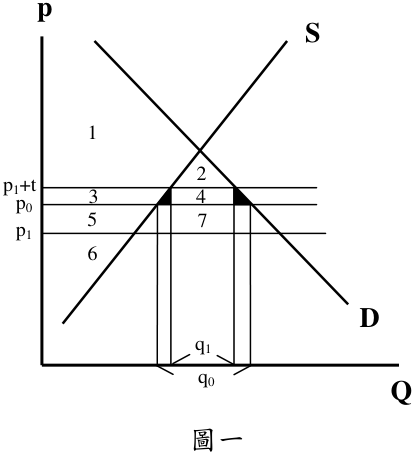
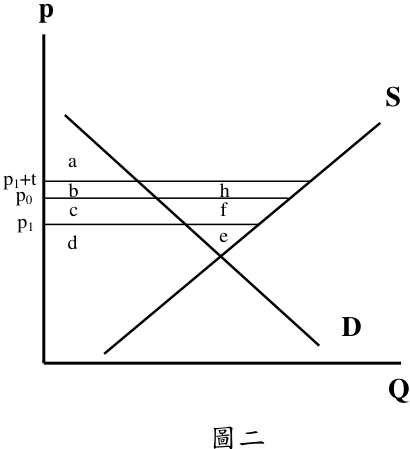
- 四、「中美貿易戰方興未艾,持續白熱化!」試分析課徵進口關稅對進口大 國與出口大國的消費者剩餘、生產者剩餘、關稅收入及社會福利之影 響,請依下圖作答。
p
p
S
D
Q
1
2
3
5
6
4
7
p0
p1
p1+t
q1
q0
S
D
Q
a
b
c
d
e
f
p0
p1
p1+t
h
其中 p0 為關稅課徵前的貿易價格, p1 為關稅課徵後的貿易價格, p1+t 為 關稅課徵後本國消費者支付的價格。 (註:圖中數字或英文字為區域標 示,且圖一中兩個黑色三角形區域( + )標示為 8 ) 。請問:
圖一與圖二中,何圖為進口大國、出口大國產品的供需圖?( 5 分) 說明進口大國與出口大國在關稅課徵前後的變動與社會福利的改 變,並將結果依下表型式填答。 ( 20 分)
承 小題,在何情況下進口大國的最適關稅為零?( 5 分)
| 進口大國 | 關稅課徵前 | 關稅課徵後 | 變動量 |
|---|---|---|---|
| 消費者剩餘 | |||
| 生產者剩餘 | |||
| 關稅收入 | |||
| 社會福利 |
| 出口大國 | 關稅課徵前 | 關稅課徵後 | 變動量 |
|---|---|---|---|
| 消費者剩餘 | |||
| 生產者剩餘 | |||
| 關稅收入 | |||
| 社會福利 |
國際經濟法與世界貿易組織之爭端解決
下載:題目
官方不公布申論答案
代號:
30630
2 - 1
107 年公務人員特種考試外交領事人員及外交行政人員、 國際經濟商務人員、民航人員及原住民族考試試題
考 試 別:國際經濟商務人員考試
等
別:三等考試
類 科 組:國際經濟商務人員國際經貿法律組
科
目:國際經濟法與世界貿易組織之爭端解決
考試時間:
2 小時
※注意:
禁止使用電子計算器。
不必抄題,作答時請將試題題號及答案依照順序寫在試卷上,於本試題上作答者,不予計分。 請以黑色鋼筆或原子筆在申論試卷上作答。
本科目得以本國文字或英文作答。
-
一、澳洲政府為促進公共健康,減少吸菸人口,於 2011 年制訂「菸品素面 包裝法」 ( Tobacco Plain Packaging Act )並修正商標法及相關管理規則, 要求菸品外包裝除需印製大幅警示圖文外,並規定菸品品牌名稱必須統 一字體、字級與顏色,而菸品容器底色為土綠色,包裝上不得有品牌標 示、色彩或行銷性文字等藉以凸顯品牌形象。此法案係為落實澳洲在 「世 界衛生組織」 ( World Health Organization, WHO )下「菸草控制框架公約」 ( Framework Convention on Tobacco Control, FCTC )第 11 條(菸品包裝 及標示) 、第 13 條(菸品廣告、促銷及贊助)及相關準則等規範,旨在 降低菸品的吸引力、避免透過菸品包裝進行廣告及促銷行為、防止誤導 性資訊顯示於菸品包裝,並強化健康警示圖文的有效性。然古巴等國以 此法案違反 WTO 涵蓋協定之規定,損及其貿易利益,提起 WTO 之爭 端解決控訴(澳洲 -菸品素面包裝案) 。請詳細分析澳洲之菸品素面包 裝措施是否違反 WTO 技術性貿易障礙協定( Agreement on Technical Barriers to Trade, TBT )第 2.2 條不必要貿易限制之規定?另澳洲政府主 張菸品素面包裝之措施乃根據 FCTC 此等「國際標準」 ( International Standard )所訂之規範,依據 TBT 協定第 2.5 條規定具有推定不違反第 2.2 條規定之效果,是否有理由?請分析之。 ( 25 分)
-
二、鑑於國際法規範之碎裂化( fragmentation ) , WTO 爭端解決小組或上訴 機構常面臨當事國援引 WTO 涵蓋協定以外之其他國際法規範 (下稱 「非 WTO 法規範」 )作為爭端解決攻防的依據。以「澳洲 -菸品素面包裝案」 為例,當事國除依據 WTO 涵蓋協定( TBT 協定及 TRIPS 協定)作為控 訴之基礎外,另援引 WHO 所屬 FCTC 及其準則( Guidelines )等規範進 行抗辯。此外,亦援引世界智慧財產權組織( World Intellectual Property Organization, WIPO )所屬保護工業財產權之巴黎公約( Paris Convention for the Protection of Industrial Property )有關商標權等規定(如第 6 條之 5 、 第 10 條之 2 等)作為控訴之依據。顯見,此等「非 WTO 法規範」在 WTO 爭端解決程序中日益扮演重要的角色。請以本案(或其他 WTO 案 例)為例,詳細論述此等「非 WTO 法規範」在 WTO 爭端解決程序中 所扮演的角色與功能為何?試從當事國與爭端解決小組或上訴機構之 角度分析之。 ( 25 分)
座號:
-
三、加拿大安大略省根據 2009 年「綠色能源與經濟法」 ( Green Energy and Green Economy Act )等相關法令,針對再生能源實施「政府電力收購計 畫」 ( Feed-in-Tariff Program, FIT ) 。依此計畫,政府保證於 20 年間,就 從事特定再生能源發電之業者(如風力或太陽能) ,於滿足特定條件(如 最低自製率之要求)下,政府保證以固定之價格向業者購買電力,作為 參與 FIT 計畫業者之報酬。此計畫旨在增加業者投資再生能源產業之誘 因,增加再生能源之發電量,減少溫室氣體排放,有利再生能源政策與 產業之發展。惟日本與歐盟以此等 FIT 計畫違反 WTO 涵蓋協定之規定, 提起 WTO 之爭端解決控訴(加拿大 -再生能源 /FIT 案) 。其中,控訴國 主張前開 FIT 計畫違反 WTO 「補貼與平衡稅措施協定」 (以下簡稱 SCM ) 第 3.1 ( b )條、第 3.2 條禁止補貼之規定。請詳細分析系爭 FIT 計畫是 否構成 SCM 協定第 1.1 條所定義之補貼?就是否構成補貼部分,雙方當 事國主要之爭點為何?爭端解決小組與上訴機構之見解為何?( 25 分)
-
四、何謂「投資人與地主國爭端解決」 ( Investor-State Dispute Settlement, ISDS )機制?傳統 ISDS 機制常受外界批評之問題與缺失為何?甫於今 ( 2018 )年 3 月 8 日由日本等 11 個成員國共同簽署的「跨太平洋夥伴全面 進步協定」 ( Comprehensive and Progressive Agreement for Trans-Pacific Partnership, CPTPP )第 29.5 條規定,成員國對於菸草控制措施得選擇不 適用 CPTPP 協定第 9 章第 B 節所訂 ISDS 機制,請詳細評析此菸草例外 規定之緣由,並從正反立場分析此等規定之利弊為何?( 25 分)